

A child therapist in Edmonton is a counsellor who works with children in a way they can use. That often means play, drawing, short conversations, and skills to practise at home. Caregivers usually start looking after worry, sadness, anger, school stress, or a big change has lasted longer than a rough week. The useful question is not who is closest on a map. It is who sees children. It is also who can involve you without turning the hour into an adult session, and whether the office, video, or a children's group is the better first step.
Book a consultation with a child and youth therapist
Charis Counselling sees children and youth alongside individual, couples, and family care. Visits are in person in West Edmonton, or by video or phone across Alberta. This guide is for caregivers choosing that first fit. It is not a guide to finding a therapist for a teenager. It is not a substitute for urgent help. If a child is in immediate danger, call 911. For urgent support between scheduled visits, the Charis resources page lists 9-8-8, the Alberta Mental Health Help Line, and Kids Help Phone. Counselling appointments are scheduled support, not a crisis service.
Start with the question the child actually needs answered
Name the problem in plain language before you compare names. A child who melts down after school may need a different first conversation than a child who has stopped sleeping after a loss. So might a child who is anxious about separating at the classroom door. All three may benefit from counselling. They do not all need the same starting point. Write down what you have noticed, how long it has been happening, and what you have already tried. That short note is more useful than a diagnosis you are not sure about.
Then decide who the client is. Some families want a therapist who meets the child, with a parent check-in at the start or end. Others need a few family sessions so the adults and the child share one plan. Charis services include child and youth counselling and family counselling. Say which mix you want when you enquire. If the strain is mostly between the adults, a couples conversation may be the better start. You can come back to child sessions once the home plan is steadier.
Keep neighbouring topics in their own places. A teen who wants privacy, video sessions, and a say in who is in the room is a different search. Use the teen therapist guide for Edmonton families for that question. An adult looking for their own therapist should use the adult guide to finding a therapist in Edmonton. Childhood experiences that show up in an adult's relationships belong on the childhood trauma therapy for adults page. That is not a search for a child's counsellor.
It also helps to notice what has already changed at home. Sleep, appetite, friendships, and the morning routine are concrete clues. So is a teacher comment that keeps repeating. You do not need to diagnose any of it. You need a clear picture the therapist can respond to in the first meeting.
What to look for in a child therapist
Ask whether the therapist regularly sees children, not only whether their profile mentions families. A good child therapist can explain how a session works for a younger client. Expect shorter talking time, play or drawing when words are hard, and a clear plan for what you hear afterwards. They should also be able to say what they do not treat, so you are not guessing.
Credentials are part of fit, and they are also part of the fee. At Charis, individual sessions use a sliding scale based on the therapist's credential, from $120 to $235. A mental health therapist, a Canadian Certified Counsellor, a provisional psychologist, and a registered psychologist follow different training paths. Each profile lists that therapist's current rate. Confirm the rate on the profile before you book. Children's group programs are a separate fee. They are not the same as an individual session. The fees and insurance page is the place to check the current ranges.
Direct billing is available for many clients. It depends on the plan, the therapist's credential, and the service. Not every therapist bills every insurer. Alberta Health Care does not cover private-practice counselling. Plan on private insurance or self-pay unless a federal program applies to your family. If coverage is the deciding factor, ask which therapist can bill your plan before you get attached to a name.
Fit also includes pace. Some children need a slow first month so the room feels familiar. Others arrive ready to work on one specific worry, such as school refusal or a recent move. Ask how the therapist decides the pace, and how they will tell you if child counselling is not the right level of care.
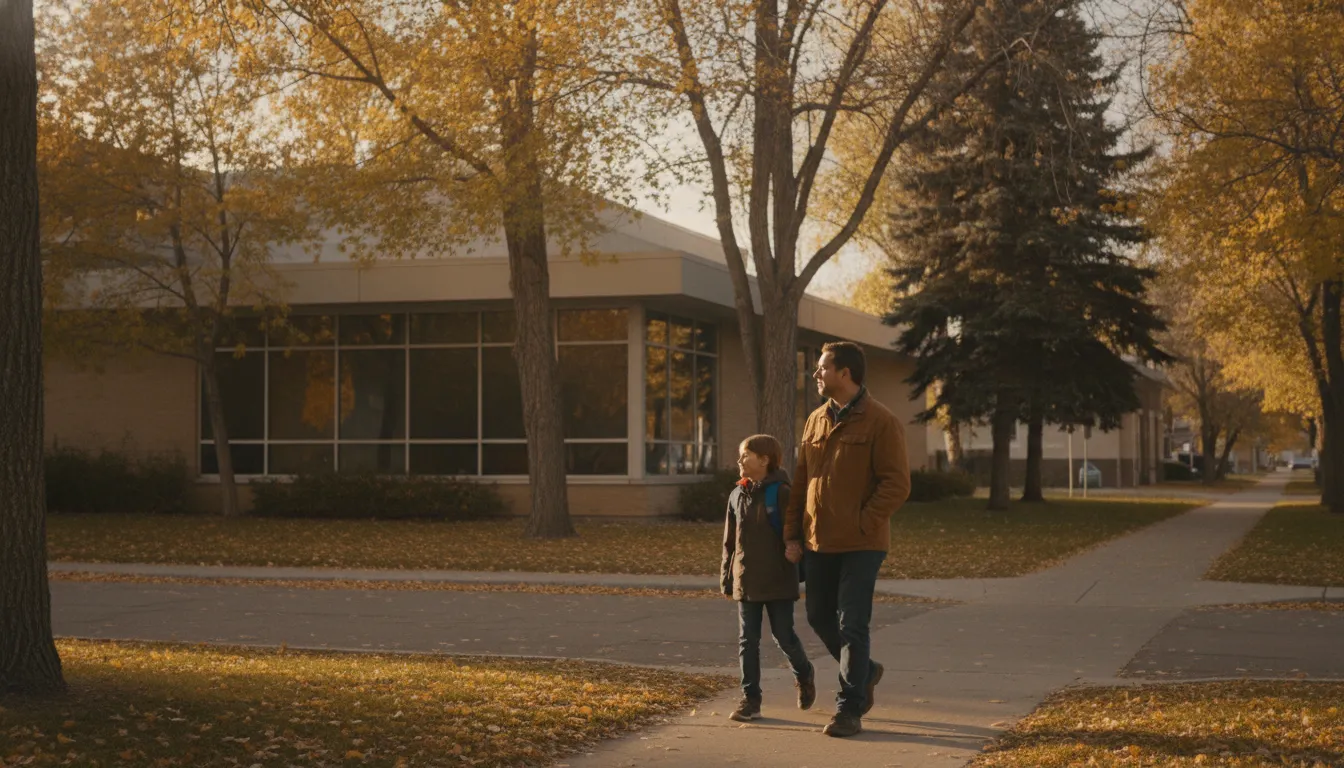
The first decision is often practical: who will bring the child, and whether the office is easy to reach after school.
How parent involvement and consent usually work
In Alberta, a psychologist providing services to a minor generally needs informed consent from the child's parent or guardian before counselling starts. The College of Alberta Psychologists explains this in its practice alert on informed consent for minors. One guardian can usually consent. If a court order gives only one parent authority over health decisions, the other parent may not be able to consent. If parents are separated, bring that paperwork to the first conversation so the therapist is not guessing.
There is an exception for a mature minor. That is a young person who understands the service well enough to consent for themselves. College guidance treats age as only one factor. Court precedent suggests a minor would likely not be considered a mature minor before age 15. Not every young person over 15 meets that test. The exception matters more for older teens than for younger children. For a school-age child, expect the caregiver to be part of consent. Also expect the therapist to explain confidentiality, including its legal limits, at the start. Charis reviews those limits in the practice FAQ.
Parent involvement is not the same as sitting in the whole session. Many children speak more freely when part of the hour is just theirs. A clear therapist will tell you what they will share with you. They will also say what stays in the room, and when they must break confidentiality to keep someone safe. If you want a family session instead, say so. You should not have to decode it after the invoice arrives.
Separated caregivers sometimes worry that booking will start a dispute. A straightforward therapist will not take sides about parenting time. They will ask who can consent, who should receive updates, and what the child has been told about coming. Bring the order if you have one. If you do not, say that plainly. Guessing helps no one.
Compare office, video, and a children's group
Younger children often do better in a room with toys, paper, and a predictable routine. Video can still work when travel, illness, or a rural address makes the office unrealistic. Charis offers video and phone sessions across Alberta. A children's group is a third option when peers and a structured CBT-style series would help. It is not a drop-in. Charis screens group applicants by phone first, because the mix of children has to be safe. Call 780-244-3530 to ask about children's groups. Do not use the online booking button for a group.
| Option | Best first fit | How you start |
|---|---|---|
| Individual child sessions, in person. | A younger child who needs play, drawing, and a familiar room. | Choose a therapist on the booking page and confirm they see children. |
| Individual child sessions by video or phone. | Travel is hard, or you live outside Edmonton but still in Alberta. | Ask whether that therapist offers virtual care for your child's age. |
| Family sessions. | The plan has to include caregivers, siblings, or home routines. | Say you want family work when you enquire, not only child-only time. |
| Children's CBT-oriented group. | A screened group series would help more than a private hour. | Call 780-244-3530 for screening. Groups are not booked online. |
Office visits are at 16856 111 Ave NW in West Edmonton. Directions, parking, and what to expect on arrival are on the office info page. If you are comparing several local practices, the West Edmonton counselling comparison can help you sort format and focus before you commit.
Video is not a lesser version of the office for every child. Some children talk more easily from the couch at home. Others get distracted, or a sibling walks through the room. Ask the therapist what a video session needs: a private spot, a caregiver nearby for younger children, and a backup plan if the connection drops. If the child is under a lot of distress, an office visit is often the steadier start.

Child sessions often use play and drawing, so the room should feel usable to a child, not like a scaled-down adult office.
Questions worth asking before you book
You do not need a long interview. Five questions usually tell you whether the fit is real.
- Do you regularly see children around my child's age, and how does a session look for them?
- How are caregivers included, and what will you tell me after a child-only portion?
- Who needs to consent if parents are separated, and what paperwork should I bring?
- What is this therapist's fee, and can this credential direct-bill our plan?
- Is the office, video, or a children's group the better start, and what is the next opening?
Read the team profiles with those questions in mind. Look for population, areas of focus, credential, and the listed fee. A warm photo is not enough. If anxiety is the main concern, the anxiety counselling page gives background before the consult. It does not replace this search. If the child is grieving, start with the grief counselling overview. Then ask whether that therapist sees children around loss. Do not assume every grief page is written for kids.
A first consult is a working conversation, not a loyalty test. You can ask how the therapist talks with children who do not want to come. You can ask what a parent should say in the car on the way there. Those practical answers tell you more than a long list of methods. If the therapist cannot describe a first session in plain language, keep looking.
Compare child and youth therapists and book a consultation
How to prepare your child without over-explaining
Children do better when the visit is described in ordinary words. You might say that a child therapist is someone who helps kids with big feelings, and that they can draw or play as well as talk. Skip speeches about what is wrong with them. Name one true reason: school has felt hard, sleep has been rough, or the family has had a big change. Tell them you will be nearby, and tell them how much of the hour you will be in the room if you already know.
Bring a comfort item if that helps the child settle, and arrive with a few spare minutes so the waiting room is not a rush. If your child asks whether you will hear everything, give the honest version you and the therapist agreed on. A surprise about privacy is harder on a child than a short, clear limit. The guide to therapist and counsellor titles can also help you explain, in simple terms, that the title on the door is about training, not about your child being in trouble.
After the session, keep the debrief light. Ask what the room was like, not for a full report. Children often need the drive home to be ordinary. If something worried you about the fit, raise it with the therapist directly rather than quizzing your child. One awkward hour is information. It is not a verdict on counselling itself.
A simple way to choose and get started
Shortlist two therapists who see children and whose fee and insurance path you can actually use. Book a consultation with the first available fit rather than waiting months for a perfect biography. Bring a one-page note. Include what you have noticed, how long it has lasted, and who else is involved at school or at home. Say whether you want child-only time, family time, or a group screening. Ask the consent question if there is a separation agreement. Leave with a clear answer on who attends the first session and what it costs.
If the consult shows the therapist is a better match for teens than for your younger child, say so and switch. Charis can point you to someone whose caseload matches the age in front of you. That is a better outcome than staying in a room that was built for a different client. You can also ask whether a parent session, without the child present, would help you plan the first month.
Give the match a fair trial, then review it. Two or three sessions is usually enough to know whether your child will go back willingly and whether you understand the plan. If the answer is no, you are allowed to change therapists. Staying out of politeness does not help a child.
FAQ
How young a child can see a therapist at Charis?
Charis provides child and youth counselling. You choose a therapist by the population they support. Ask that therapist whether they see your child's age before you book. A services page that says "children and youth" is not the same as every clinician's caseload.
Do I stay in the room for the whole session?
Not always. Many child sessions include time with the child and a separate check-in with the caregiver. Tell the therapist if you want family sessions instead. The split should be agreed before you start, not discovered afterwards.
Can I book a children's group online?
No. Children's groups are screened by phone so the group is a safe fit. Call 780-244-3530. Online booking is for individual consultations, not for group enrolment.
Will Alberta Health Care pay for a child therapist?
No. Alberta Health Care does not cover private-practice counselling. Many families use employer benefits or pay the session fee. Direct billing depends on the plan and on that therapist's credential, so check both before you book.
What if I am looking for a teenager, not a younger child?
Use the teen therapist guide. Teens often need a different privacy and consent conversation. A page about younger children will not answer that question well.
Book a consultation and ask about child therapy
You do not need a perfect label for what your child is going through. You need a child therapist who sees children, a fee you understand, and a first conversation that includes you in the right way. Start with the team profiles, confirm the practical details, and book the consult that matches your child's age.