

Stress can begin as a reasonable response to a demanding week, then gradually become the background condition of daily life. When pressure starts affecting your sleep, concentration, relationships, or sense of control, support can help you understand what is happening and decide what needs to change. For related concerns, you can also explore counselling for stress and anxiety.
Book a consultation with a Registered Psychologist today.
Stress management counselling edmonton can help you identify the pressures keeping your body and mind on high alert. Build healthier coping strategies, and practise emotional regulation with compassionate professional support.
Stress itself is a normal psychological and physical reaction to life's demands, and a manageable amount can motivate you. The difficulty is that ongoing demands can exceed your ability to cope. Chronic stress may keep the body's alarm system activated, while symptoms such as headaches, muscle tension, fatigue, or digestive problems can make ordinary responsibilities feel even harder. The Mayo Clinic explains that chronic stress can contribute to serious health problems when it is not managed.
Counselling for stress is not about blaming you for feeling overwhelmed or telling you to simply relax. It involves looking at the stressors in your life, understanding your patterns, and choosing practical responses that fit your circumstances. It can support adults, workers, caregivers, elders, and people living with long-term health conditions, whether stress is affecting one area of life or several at once.
Understanding when stress has moved beyond a temporary challenge can make it easier to seek the right kind of care.
When Everyday Stress Becomes a Mental Health Concern
Stress is not automatically a sign that something is wrong. The Mayo Clinic describes stress as a normal psychological and physical response to life's demands. In small amounts, it can help you respond to a deadline, solve a problem, or prepare for change. The concern begins when your body and mind do not get enough opportunity to recover.
When stress becomes chronic, the body's alarm system can remain on high alert. The fight-or-flight response is designed to protect you during an immediate threat, then settle once the danger has passed. However, the ongoing demands of modern life can make that response feel almost continuous for some people. As the Mayo Clinic notes, an alarm system that rarely shuts off can contribute to serious health problems over time. This is not a personal failure. It is a sign that your system may be carrying more than it can comfortably manage.
Notice what your body is telling you
Unmanaged stress often appears physically before you have words for what is happening emotionally. Common signs include:
- Frequent headaches or tension headaches.
- Persistent muscle tension or muscle aches.
- Fatigue that does not improve with ordinary rest.
- Digestive problems or other gastrointestinal discomfort.
These symptoms can have many possible causes, so they should not be treated as a diagnosis on their own. They are useful signals to pause, consider the pressures you are facing, and speak with a healthcare professional if they are persistent, severe, or changing.
Stress, anxiety, and depression are connected but different
Daily stress is usually tied to a particular demand and may ease when that situation changes or when you have time to recover. Anxiety can continue even when an immediate problem is not present, often bringing persistent worry, fear, restlessness, or physical tension. Depression may involve ongoing low mood, hopelessness, loss of interest, changes in sleep or appetite, and reduced energy. Stress can contribute to either condition, but it is not the same as either one.
Seeking support early can help you understand the difference without needing to label yourself or wait for symptoms to become overwhelming. Stress management counselling can offer a compassionate space to identify what is keeping your system activated. Explore practical coping strategies, and decide whether additional support for anxiety or depression would be helpful.
Stress Management Counselling vs. Self-Help Strategies
Self-help is often a valuable place to begin. Regular movement, nourishing meals, restful routines, mindfulness apps, and clearer limits around work can all support your physical and emotional well-being. The Mayo Clinic recommends proactive stress management rather than waiting until stress seriously affects your health, relationships, or quality of life. Learn more about managing stress proactively.
The difference is not that one approach is good and the other is better. Self-help gives you practical tools for daily life, while counselling creates space to understand what keeps activating your stress response and to practise new ways of responding. The right choice may also change over time.
| Self-Help Strategies | Counselling with a Professional |
|---|---|
| Supports physical health through nutrition, exercise, sleep routines, and other repeatable habits. | Helps you identify personal stressors, including patterns that may be difficult to recognize on your own. |
| Uses mindfulness apps, breathing exercises, journaling, or relaxation practices when you need a reset. | Builds healthy coping skills that fit your circumstances, relationships, responsibilities, and values. |
| May help you set boundaries, such as protecting personal time from work demands. | Offers support as you plan, communicate, and maintain boundaries, especially when guilt or conflict makes them hard to keep. |
| Allows flexible, private practice at your own pace. | Provides individualized and accountable support, with guidance for emotional regulation and opportunities to reflect between sessions. |
For many people, boundaries are an important first step. Creating a firm separation between work and personal time can reduce work-life stress, but it may feel unrealistic when expectations, caregiving, financial pressure, or relationship dynamics are involved. A counsellor can help you look at those barriers without blaming you for having them.
Professional support can be especially useful when stress continues despite your efforts, or when it is affecting sleep, concentration, relationships, or your ability to function. Stress management counselling may involve recognizing triggers, developing healthy coping strategies, and strengthening emotional regulation. These are core aims described in Charis Counselling's therapist stress management tips.
Choosing counselling does not mean you have failed at self-care. It means you are adding informed, compassionate support to the tools you already use. If stress overlaps with persistent worry or low mood, counselling for stress and anxiety may also help clarify what kind of care fits your needs.
Therapy Techniques That Reduce Chronic Stress
Therapy can turn stress management from a general intention into a set of skills you can use in the middle of a difficult day. The goal is not to eliminate every demanding situation. It is to notice what is happening sooner, understand your responses, and choose a steadier next step.
Reframing the thoughts that intensify stress
Cognitive behavioural techniques can help you identify thought patterns that amplify pressure. For example, a missed deadline may quickly become, "I always fail," or a difficult conversation may feel like proof that everything will go badly. In counselling, you can examine the evidence behind these conclusions and develop a more balanced interpretation. Reframing does not mean pretending that a problem is small. It helps separate the actual challenge from the predictions, self-criticism, and all-or-nothing thinking that can make it feel unmanageable. This approach is commonly used in stress management to reframe negative thought cycles that increase stress levels (shiftgrit.com).
Practising a measured response
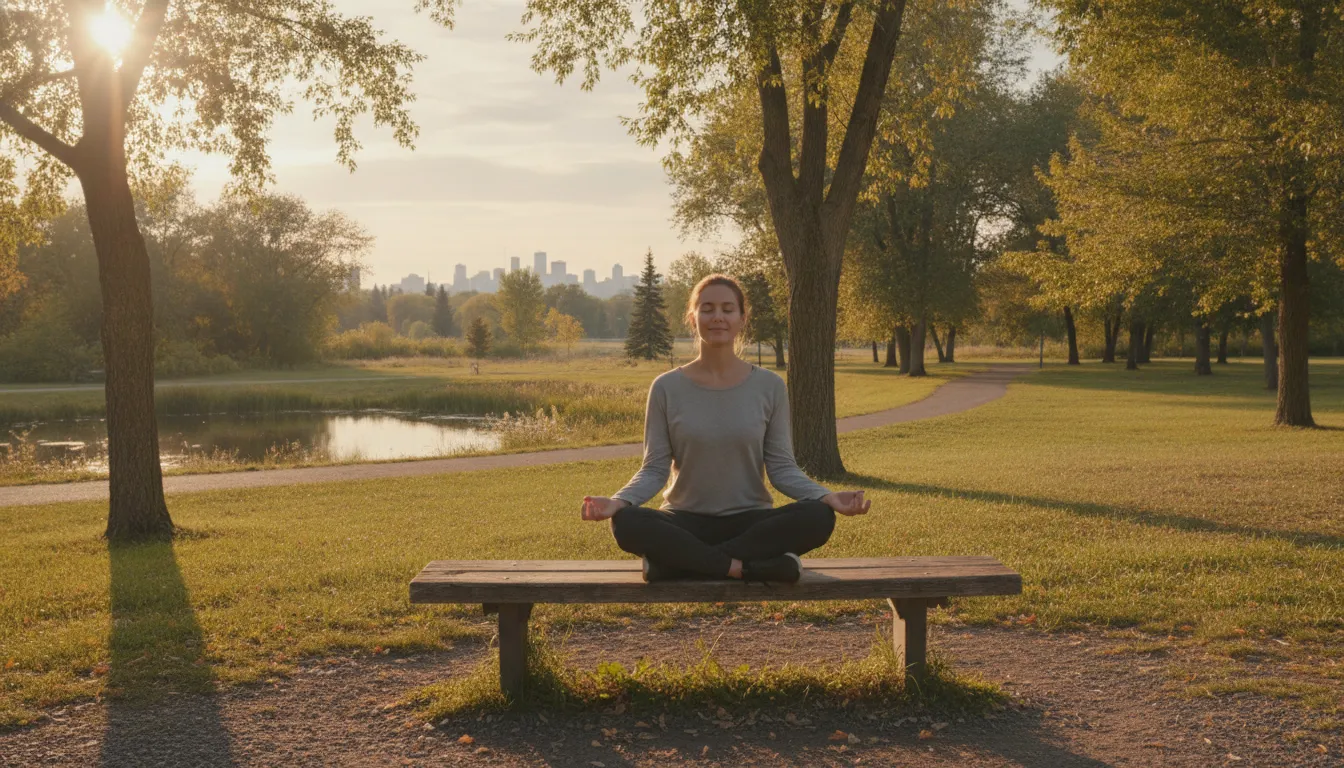
Mindfulness-Based Stress Reduction, or MBSR, teaches structured ways to pay attention to the present moment. With practice, people can learn to notice an automatic reaction, such as worry, irritability, or the urge to avoid a task, before it controls their behaviour. The aim is a more adaptive and measured response rather than an immediate reflex. A therapist may introduce brief breathing practices, mindful movement, or a body scan that guides your attention through areas of tension. Research and clinical references describe mindfulness body scanning as a way to reduce reactivity by helping you observe sensations without immediately treating them as danger (National Center for Biotechnology Information).
Processing emotions instead of pushing them away
Chronic stress often becomes harder to manage when difficult emotions are continually suppressed. Therapy offers a supported space to name feelings such as anger, grief, fear, or resentment and explore what they may be communicating. Processing an emotion does not require acting on it or allowing it to take over. It can mean noticing the feeling in your body, identifying the need underneath it, and deciding how to respond in a way that reflects your values. This can build emotional regulation and resilience over time. For more ideas you can practise between appointments, see these practical coping tools for emotional stress.
These techniques become most useful when they are connected to your real routines. You might use thought reframing before replying to a stressful email, a body scan when you notice muscle tension, or emotion-processing skills after a conflict. If workplace demands are part of the picture, counselling can also help you identify healthy boundaries and realistic changes without placing responsibility for systemic problems entirely on you. The CDC defines job stress as harmful physical and emotional responses that occur when job requirements do not match a worker's capabilities, resources, or needs (CDC/NIOSH).
What Stress Management Counselling in Edmonton Looks Like
Starting counselling can feel like one more responsibility when your schedule is already full. A first appointment is not a test, and you do not need to arrive with the right words or a complete explanation. The process is designed to help you understand what is happening, identify practical next steps, and build skills at a pace that feels manageable.
- You begin with a conversation about what is weighing on you. Your Registered Psychologist will ask about the situations that trigger stress, how it is affecting your body and emotions, and what you would like to change. For many Edmonton residents, the concerns become clear through disrupted sleep, reduced work performance, or strain in personal relationships. You can also discuss whether ongoing exhaustion or detachment may be connected to workplace burnout. If that sounds familiar, burnout therapy in Edmonton may offer useful context before your appointment.
- You and your psychologist create an individualized plan. Stress does not have one cause, so counselling should not rely on a one-size-fits-all checklist. You and your psychologist work collaboratively to identify your specific stressors, clarify your goals, and choose coping methods that fit your circumstances. Your plan may focus on boundaries, emotional regulation, communication, sleep routines, work pressure, or several concerns at once. It can be adjusted as you learn more about what helps.
- You learn evidence-based techniques tailored to you. A Registered Psychologist can introduce strategies suited to your clinical needs, such as noticing unhelpful thought patterns, practising grounding, or developing healthier responses to difficult emotions. The goal is not to eliminate every stressful event. It is to help you respond with more choice and less reactivity. Your therapist can explain why a technique may help and invite your feedback rather than asking you to follow instructions without context.
- You choose a format that works with your life. Charis Counselling offers both in-person and telehealth appointments, which can make support more accessible for busy Edmonton professionals. Telehealth may reduce travel and scheduling barriers, while in-person sessions can provide a dedicated space away from daily demands. You can discuss which option feels most comfortable and practical for your needs.
- You practise between sessions and review what you notice. Progress often develops through small experiments between appointments. You might track stress signals, try a boundary, practise a regulation exercise, or have a difficult conversation differently. At the next session, you can discuss what worked, what felt difficult, and what should change. For additional ideas, explore these stress management tips from therapists, then bring any questions to counselling.
You remain an active partner throughout the process. The purpose is to help you understand your stress and develop sustainable skills, not to judge how you have been coping.
How Many Sessions Does Stress Counselling Usually Take?
There is no universal number of sessions that works for everyone. The pace of stress counselling depends on what you want to change. How long the stress has been affecting you, and how quickly new coping skills become part of your routine. Your psychologist will not expect you to follow a preset timeline or continue indefinitely without reviewing whether counselling is helping.
Some clients notice a meaningful improvement in coping within a handful of sessions. Early appointments may help you identify the main stressors, understand how stress is showing up in your thoughts and body, and choose practical changes to try between sessions. Stress management counselling can include recognizing triggers, developing healthy coping strategies, and strengthening emotional regulation skills, rather than simply trying to eliminate every source of pressure.
For other clients, stress is connected to longstanding patterns, burnout, grief, trauma, relationship strain, or ongoing demands that cannot be changed quickly. In those situations, counselling may continue over several months as you practise new responses, address deeper concerns, and build confidence using the skills in daily life. Emotional regulation is not a one-time lesson. It often develops through repeated practice, reflection, and support.
The process is collaborative and individualized. You and your psychologist can set goals together, decide what progress would look like, and adjust the focus as your circumstances change. You might begin with sleep, boundaries, or managing an immediate crisis, then move toward patterns that keep stress active. Proactive support can also be useful before symptoms become severe, rather than waiting until stress significantly affects your health, relationships, or quality of life. Learn more about related support through depression counselling in Edmonton if low mood and stress are occurring together.
At regular points, you can discuss whether you are ready to reduce the frequency of appointments, continue working toward a longer-term goal, or return for additional support later. The right pace is the one that fits your needs, capacity, and goals. It should leave you with practical tools and a clearer understanding of how to respond when stress rises again.
Book a consultation with a Registered Psychologist today to explore a pace and plan that works for you.
Frequently Asked Questions
What is the benefit of stress management counselling?
Stress management counselling can help you understand what is driving your stress, notice how it affects your thoughts and body, and develop coping strategies that fit your circumstances. It can also support emotional regulation, clearer boundaries, and more sustainable daily routines before stress causes deeper disruption.
How can counselling help with stress management?
A counsellor works with you to identify stressors, explore patterns that keep the stress going, and practise healthier responses. Sessions may include problem-solving, cognitive reframing, mindfulness, emotional processing, and practical changes related to work, relationships, sleep, or responsibilities.
Is stress management counselling covered by insurance in Edmonton?
Coverage depends on your plan and the provider requirements it sets. Check whether your benefits include services from a Registered Psychologist, whether a referral is needed, and what documentation your insurer requests. Alberta Health Care generally does not cover private-practice counselling, so confirm your options before booking.
What techniques are used in stress management therapy?
Techniques are chosen around your goals and may include cognitive-behavioural strategies, mindfulness, body awareness, boundary setting, and skills for processing difficult emotions. Mindfulness-Based Stress Reduction aims to replace automatic reactions with a more measured response, according to the National Center for Biotechnology Information.
How do I find a stress management counsellor in Edmonton?
Look for a practice that offers flexible scheduling, in-person and telehealth options, and Registered Psychologists who use evidence-based approaches. At Charis Counselling, you can book a consultation to discuss your concerns and decide whether stress management counselling in Edmonton is the right fit for you.
Ready to take the next step?
Stress can feel easier to manage when you have a supportive space to understand what is affecting you and develop practical ways forward. A consultation can help you discuss your concerns, clarify your goals, and consider whether counselling is the right fit for you.
You do not need to have all the answers or a polished explanation before reaching out. Whether stress is tied to work, caregiving, relationships, health, or the pressure of daily life, a compassionate therapist can meet you where you are. You are welcome to ask questions about how sessions work, what each approach involves, and what pace feels realistic for you.
Beginning with one conversation can help you understand what is driving your stress and decide on your next step with the support of a Registered Psychologist.